Lyfskills Blog — Parenting, Learning & Activity Insights
How Parents Can Help Children Understand Careers Without Turning Childhood Into a Race
Ask any ten-year-old in an Indian household what they want to become, and many will give you a quick answer: doctor, engineer, pilot or IAS officer. Ask them why, and the answer is often less certain. Somewhere between a relative's comment at a family function and a teacher's remark about “good career options,” children pick up ideas about careers long before they understand what those careers involve.
The Importance of Reading Aloud
What are your earliest memories of being read to? A parent reading you a bedtime story, perhaps, or a grandparent reading aloud from a religious text, or a teacher reciting a poem in class. Or, like many children in our country, perhaps you never had the chance to be read to by a caring adult who made a book come alive with voice and expression.
How Retelling One Experience From Different Viewpoints Builds Empathy
Ask three children what happened during the same five minutes of cricket practice and you may hear three different stories.
Beyond Academics: How Parents Can Build an All-Round Learning Plan for Children
In the pursuit of top marks and linear report cards, it is easy to forget that a child’s true potential is not measured solely in percentages.
When a Child Feels Different: Helping Them Build Confidence and Choose Healthy Friendships
Helping children build confidence, understand healthy friendships, and know when an adult needs to step in.
From Story Ideas to Their First Book: How Parents Can Encourage Young Writers
A practical guide for parents on helping children turn story ideas into finished books while building confidence and a love of writing.
Tennis Racquet, Shoes and Clothing for a Child’s First Class
A practical guide for parents on choosing the right racquet, shoes, clothing and tennis balls for a child's first lesson.
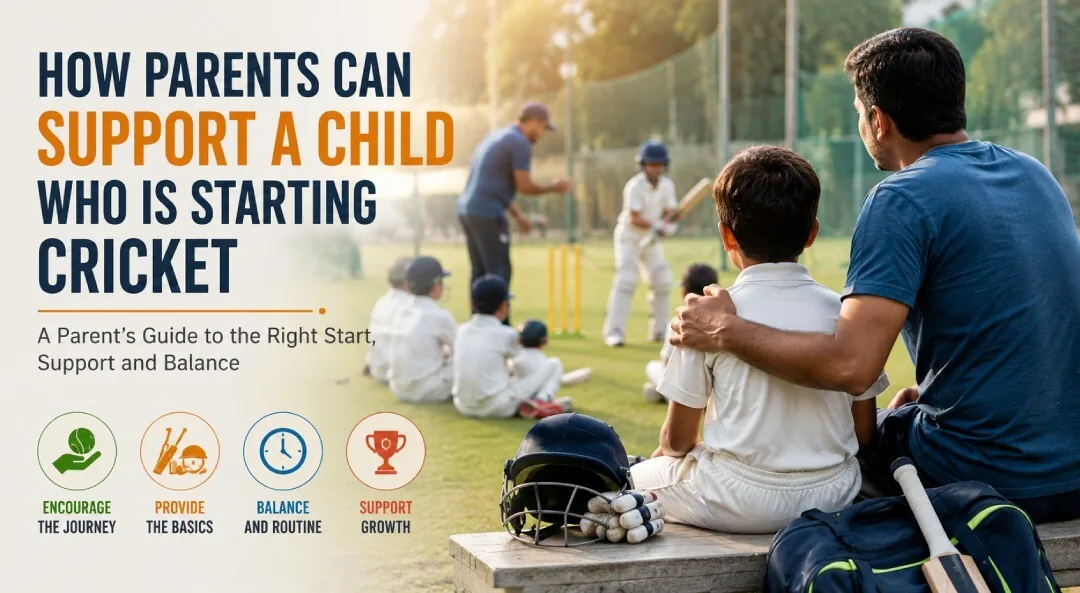
How Parents Can Support a Child Who Is Starting Cricket
The early months of cricket are about skills, confidence and enjoyment — not runs and wickets. A practical guide for parents on equipment, practice load, competition readiness, choosing an academy and supporting without pressure.
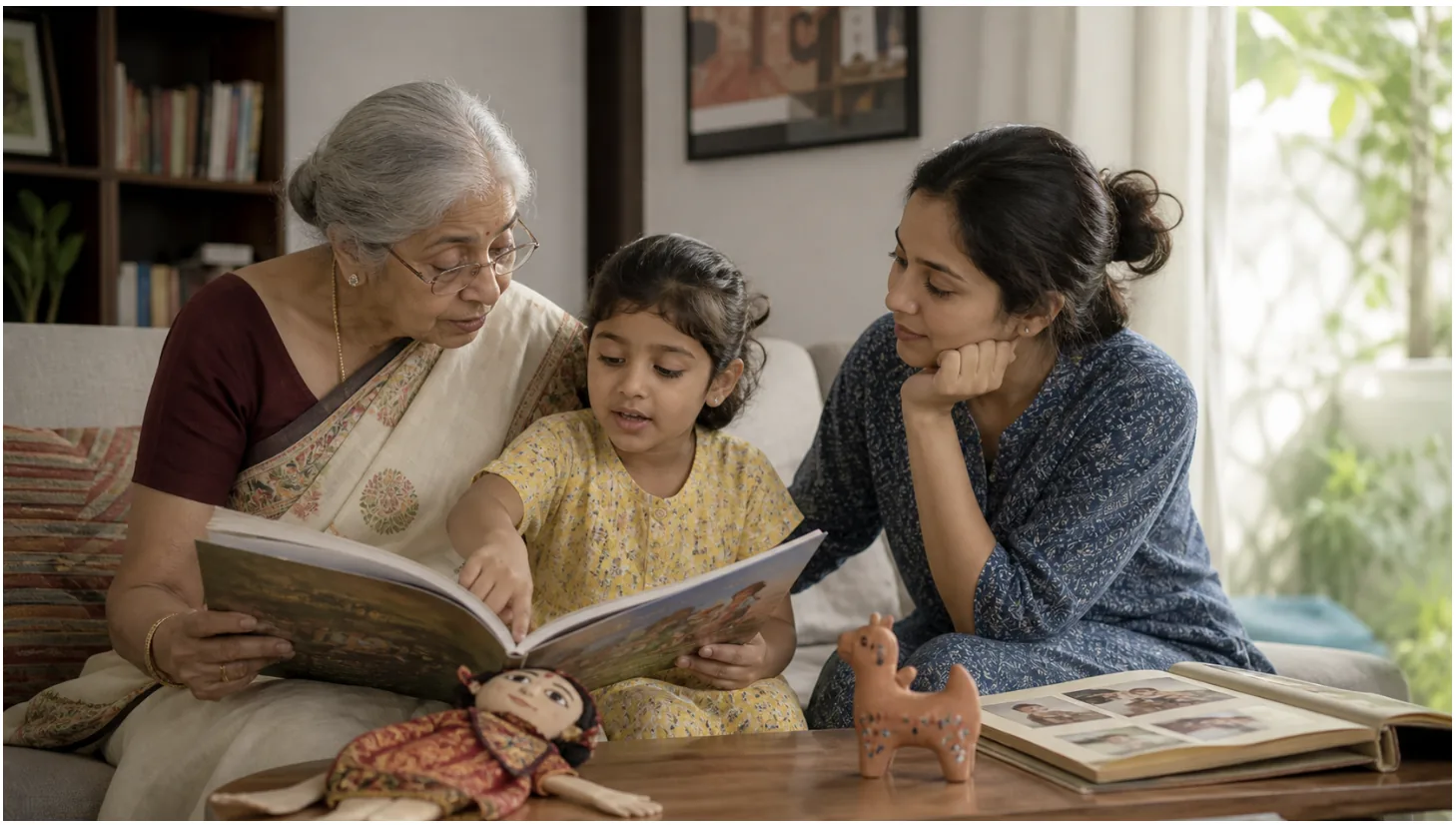
How Indian Stories and Cultural Experiences Help Children Discover New Interests
A child's interests often show up first at home — in a storybook, a grandparent's memory, a potter at a fair — not on a class timetable. How parents can notice where a child pauses and offer the smallest sensible next step.

How to Use Kindergarten Worksheets Without Overloading Your Child
Worksheets help most when they are the start of a short activity, not the goal. A practical routine for using kindergarten worksheets — one skill at a time, taken off the paper and into everyday life.
How Children Learn Long Words Outside The Classroom
Children learn long words through repeated exposure in meaningful settings, not memorization — and enrichment activities, reading, and everyday conversation do most of the work. A practical guide for parents.
Beyond Academics: Why Creative Expression Belongs in Every Child's Learning Plan
In the race for STEM, one skill gets overlooked: creative thinking. An art educator of 30 years on why creativity develops through the process of making — not the finished picture — and how parents can make room for it.

Download our mobile app